

For as long as I can remember, journaling has been my anchor. It’s the practice I return to when I need clarity, when I want to track progress, or when I simply need space to reflect. Every entry I’ve written — whether in a notebook, a digital app, or a random scrap of paper — has been a small building block in my ongoing story.
Over time, I realized these entries weren’t just records of my days. They were fragments of something bigger: a framework for understanding who I am, where I’ve been, and where I want to go. That framework became what I now call my Personal Book of Knowledge (PBOK), the foundation of my work with JournaledLife.
But getting there wasn’t straightforward.
I started with old-fashioned text journals, but the problem was obvious — they were impossible to search. Insights got buried in the past, rarely revisited.
When I discovered OneNote, it felt like the solution. I could create notebooks, organize sections, and search through everything. For a while, it worked beautifully. But as the years went on and my collection of notes grew, OneNote began to feel less like a tool and more like a maze.
The truth was, OneNote worked well for creation. I could capture ideas quickly. But when it came to revision and retrieval, the cracks started to show. Yes, I could find something if I knew exactly what I was looking for — but discovery, the act of letting one thought lead to another, was missing. And that discovery piece was what mattered most to me.
I didn’t just want to record my thoughts. I wanted to explore them, refine them, and connect them in new ways.
In 2021, I switched to Obsidian, and it completely changed how I journal.
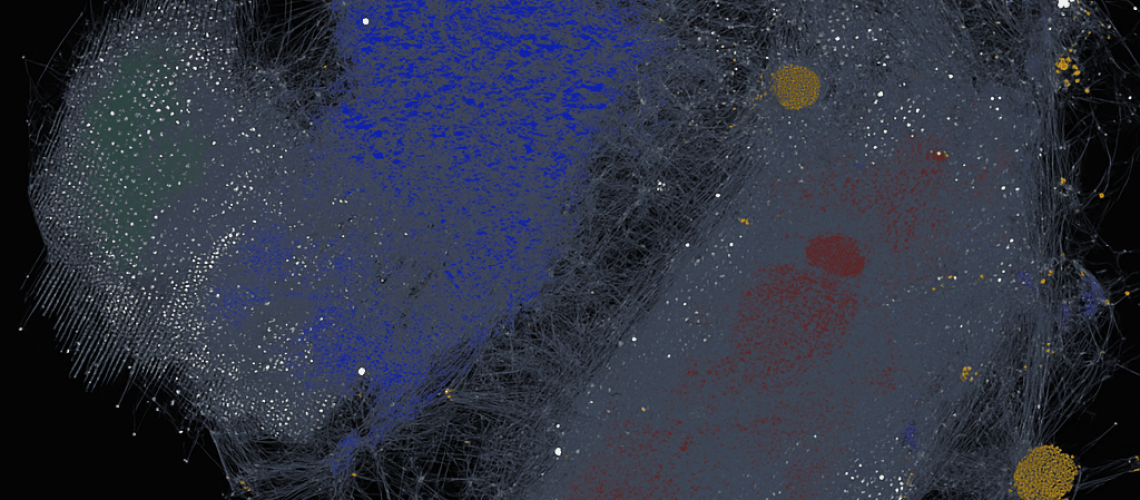
The magic of Obsidian is its note-linking paradigm: small, focused notes that can be connected in multiple ways. Instead of stuffing everything into a rigid hierarchy, I could build a living web of ideas — a personal world wide web.
Here’s why Obsidian works so well for journaling (and why I’m never going back):
What makes Obsidian even more powerful today is how naturally it integrates with ChatGPT. Because my notes are text-based, I can easily pull ideas from my vault to explore with ChatGPT — and then feed the refined insights right back into my PBOK.
It creates a feedback loop:
This cycle has made my journaling practice both deeper and more practical.
Ultimately, Obsidian has given me something bigger than just a journaling app. It’s given me a way to live my philosophy of life design. Every note I create, revise, and connect is another step in refining the story of my life.
And perhaps the most meaningful part? I’m building a record my kids can one day explore — a detailed reflection of the life I lived and the lessons I learned along the way.
For me, journaling has always been about more than writing things down. It’s about meaning. And Obsidian has become the tool that makes that meaning visible, navigable, and alive.